Future and effects

Swiss glaciers are undergoing rapid change. Since 2000, they have lost almost 40 % of their volume, and in 2022 and 2023 alone, ten per cent of all glacier ice disappeared. The decline will continue, with far-reaching consequences for the landscape, nature and society.

Changes to the landscape
The retreat of the glaciers is fundamentally changing the Alpine landscape. Where once big ice flows dominated, new rock and scree landscapes and glacial lakes are emerging. These changes can create new tourist attractions, but also pose challenges for alpinism and the protection of infrastructure.
Water balance and energy supply
Glaciers store water in winter and release it in summer - a decisive factor for water supply and hydropower generation. While more meltwater will initially be available in the coming decades, water shortages and greater seasonal fluctuations are to be expected in the long term. Rivers such as the Rhine and the Rhone, which rely heavily on glacier melt in summer, could carry significantly less water in dry periods.

Effects of glacial melting
The melting of glaciers is contributing to rising sea levels - albeit to a much lesser extent compared to the Greenland and Antarctic ice sheets. However, shrinking glaciers worldwide will put increasing pressure on coastal regions and force millions of people to relocate.


Can technology save glaciers?
In connection with tourist infrastructure on glaciers, white sheets called geotextiles have been laid on the ice in Switzerland for about 20 years. This method can prevent 50-70% of local melting. However, it is expensive and limited to small areas of a few thousand square metres where there is an economic benefit.
Such measures are not enough to prevent the complete disappearance of entire glaciers or regions - they are only treating the symptoms. They also pollute the environment, for example with microplastics. The only effective measure to preserve glaciers in the long term is to reduce global greenhouse gas emissions.

The future of Swiss glaciers
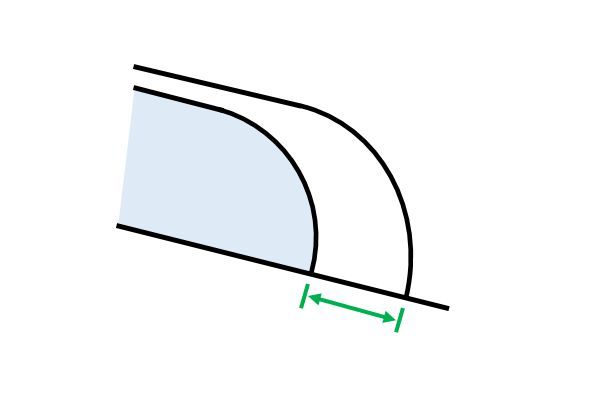
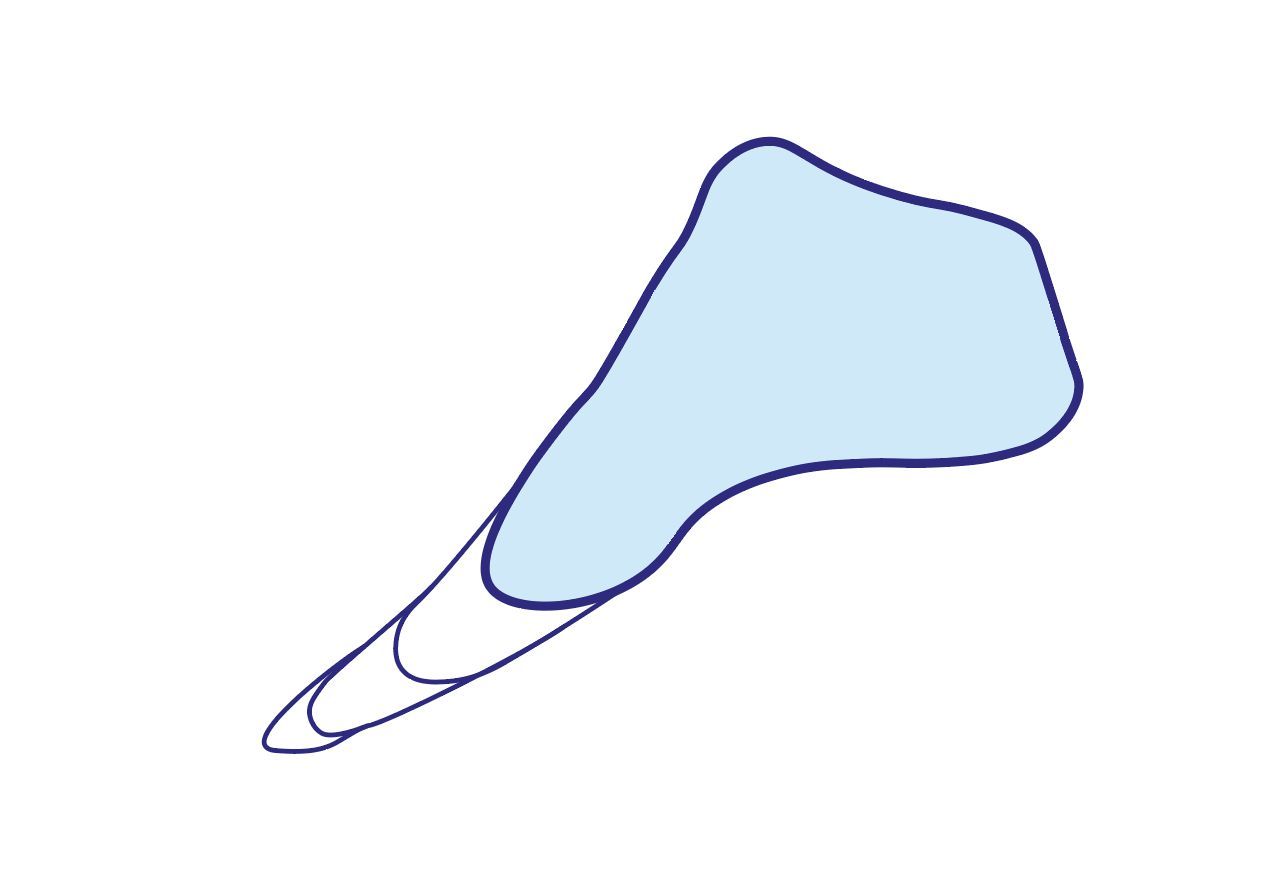
Swiss glaciers are shrinking rapidly and react to the climate with a time lag: even if temperatures remained stable today, their ice volume would decrease by a third over the next 25 years. Without climate protection, almost all glaciers in the Alps could disappear by 2100; if global warming is limited to below two degrees, about a quarter of today's ice would remain. In particular, the Aletschgletscher could disappear completely in 75 years under a no-action scenario. Deep valleys with new glacial lakes would form in many places. However, effective climate change mitigation can preserve a significant proportion of glacier volume and slow sea level rise.